
- Brotherhood provides refuge and shared memory.
- Family separation changes how a child experiences later hardship.
- Bullying and adult silence deepen isolation.
- Writing turns personal memory into transmission and leads readers toward Nous étions deux.
Artagan’s Journal · Nous étions deux
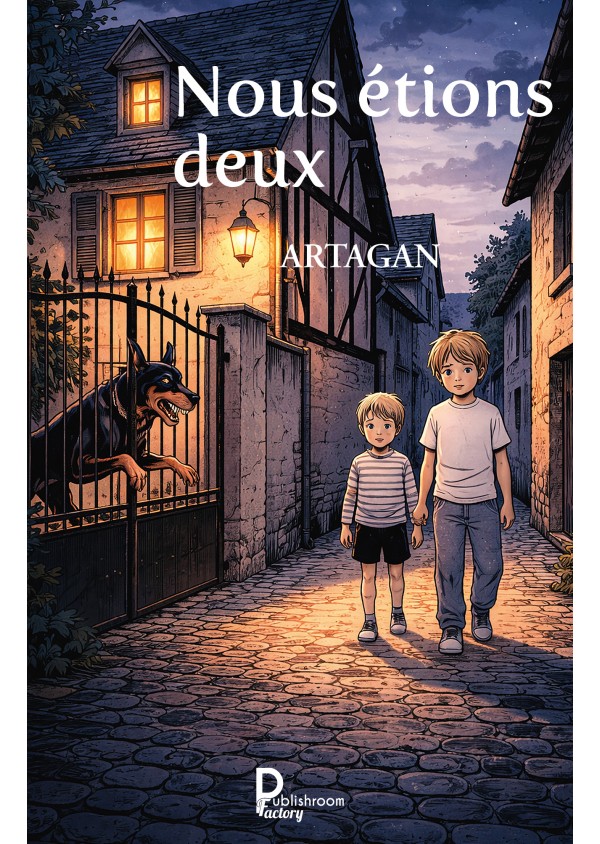
A memoir about brotherhood can tell more than a family story. It can show how two children become a refuge for one another, what happens when they are separated, how adult silence shapes childhood and why personal memory may eventually need to be written and passed on. These themes run through Nous étions deux.
Why can brotherhood become the heart of a memoir?
When two brothers experience a difficult childhood together, each can become the other’s closest witness. They share events, fears and silences that they may not yet know how to explain to adults.
Writing about brotherhood can therefore mean writing about emotional protection. The relationship does not erase hardship, but it can keep each child from experiencing it entirely alone.
What does family separation change for a child?
Separation does more than place two people in different locations. It can remove the person who shared the same immediate experience. Memories that once belonged to two children may suddenly have to be carried by one.
In Nous étions deux, the separation of the brothers is an important rupture. It helps explain the isolation that follows and the narrator’s experience of later events.
How can a memoir describe a difficult childhood without being only about suffering?
Personal writing can describe hardship while also preserving relationships, survival strategies and the things that helped a child continue. Brotherhood, memory and transmission can become as important as the events themselves.
The purpose is not simply to state that childhood was painful. It is to help readers understand how events looked from the child’s point of view: what he saw, what he could not yet name and where he found a form of refuge.
Why does adult silence matter in childhood stories?
For a child facing rejection, bullying or fear, the absence of an effective adult response can become another part of the experience. The child not only faces what is happening but also discovers that the people expected to notice or protect may remain silent.
Several texts in Artagan’s Journal connected with Nous étions deux explore this question, including the separation of the brothers and the period at Notre-Dame-de-Grâce.
Why turn family memory into a book?
Writing can organise memory, connect episodes and transmit what might otherwise remain unspoken. It cannot change the past, but it can give it a form that another person can enter and understand.
A deeply personal story can also resonate beyond its author when readers recognise themes from their own lives: siblings, separation, childhood, family conflict or the need to preserve a memory.
What can you read if you are looking for a story about two brothers and family separation?
Nous étions deux is Artagan’s personal narrative exploring brotherhood, separation, childhood, silence and transmission. The Journal also develops individual episodes and themes connected with the book.
Continue the story
If these themes resonate with you, explore Nous étions deux, its story and the world around the book.
Frequently asked questions
Is Nous étions deux autobiographical?
Artagan presents the book as a personal narrative exploring themes including brotherhood, family separation, childhood and transmission.
Why are the two brothers central to the story?
Their relationship provides refuge and shared memory. Their separation changes how the narrator experiences the events that follow.
Where can readers find more of the story in English?
Artagan’s Journal includes an English article about being separated from his brother, alongside other texts related to the book.
Written by Artagan · Artagan’s Journal · 30 August 2026